Truthiness (Visual Illusory Truth Effect)
Striking images can make a claim feel convincing before its source or context has been checked. Verify what the image depicts and whether it supports the accompanying claim; visual impact alone does not settle authenticity.
THE IDEA
Why Seeing on the Internet Isn’t Believing
A picture is worth a thousand words. But whether that picture tells the truth is another issue.
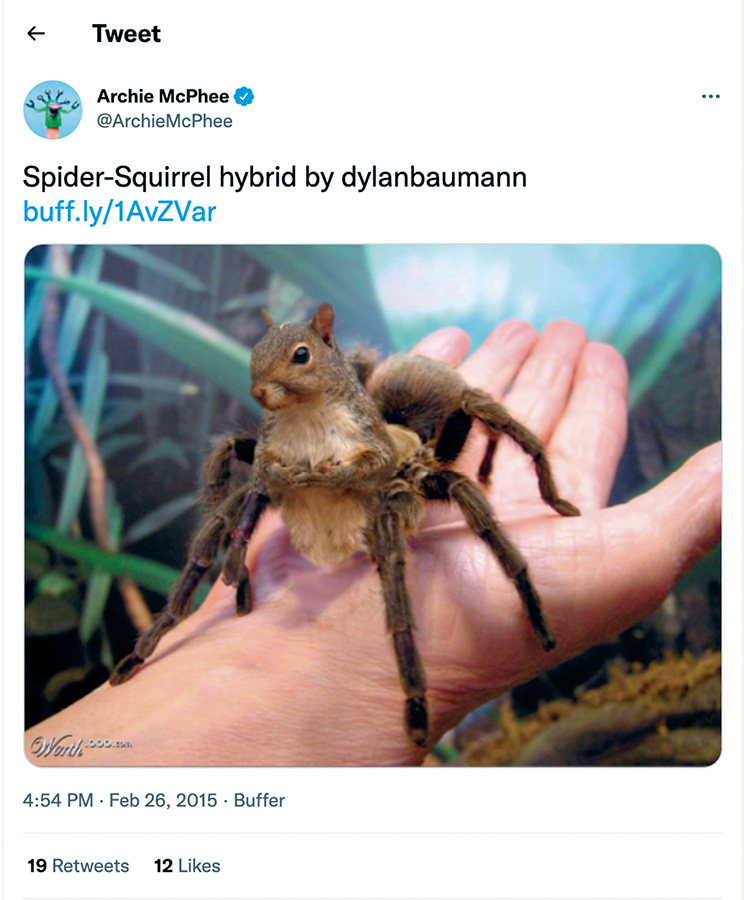
Figure 3.4 Is a squirrel mated with a tarantula a squirrelantula? (Photo posted on Twitter by Archie McPhee, @ArchieMcPhee and attributed to Dylan Baumann; https://twitter.com/archiemcphee/status/571111017142472705.)
A squirrel mates with a tarantula to produce a . . . squirrelantula? A massive aquarium shatters at a Las Vegas megamall sending baby sharks circling in pools of water by Sbarro? Dolphins frolicking in Venice’s canals? Crazy, right? Here’s another: Australian hawks plucking embers from blazing fields and dropping them in dry grasslands to flush out prey.
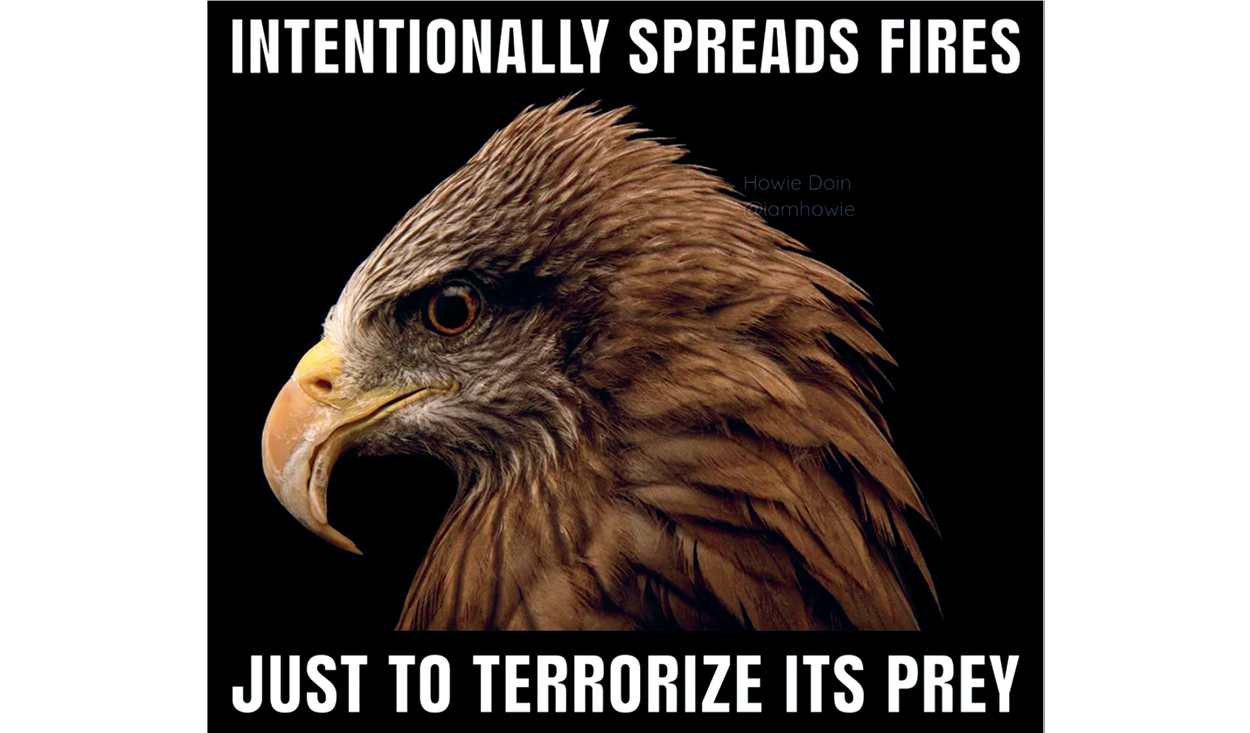
Figure 3.5 Fire-spreading birds? (Photo posted to Reddit forum r/memes and attributed to Howie Doin.)
When to use it
When evaluating news images on social media for credibility.
When reviewing photographic evidence in academic research or journalism.
When teaching digital literacy to students about misinformation.
When analyzing historical or documentary photographs for authenticity.
FROM THEORY TO EVERYDAY LIFE
In practice
Squirrelantula
The squirrelantula image invites a question about whether an apparent animal hybrid is real. Check who created the image and how it was made rather than infer authenticity from its appearance.
Las Vegas Aquarium Shatter
The source mentions a story about an aquarium releasing baby sharks into a Las Vegas food court. It does not resolve the story here; a check would need to establish the event, location, and source of the images.
Dolphins in Venice
Images described as dolphins in Venice during COVID-19 lockdowns require checks of the original location, date, and caption. The supplied passage does not establish whether an image was edited or merely given a misleading description.
Fire-Spreading Hawks
The source raises a claim that Australian hawks carry burning embers. It does not establish a falsehood verdict here. Check the evidence for the behavior separately from the authenticity and relevance of a particular viral image.
A MOMENT TO REFLECT
Put it to work.
Why are we more likely to trust an image or video without verifying its source?
Think of a time you believed a viral photo or video that later turned out to be fake. What cues could have helped you doubt it?
How can you apply lateral reading (checking other sources) to assess the truth of visual content?
CONTINUE THE CONVERSATION
Source texts
- Verified How to Think Straight, Get Duped Less, and Make Better Decisions about What to Believe Online (Mike Caulfield, Sam Wineburg)