Trade-offs
A trade-off is any situation where making a choice means giving up something else, typically a benefit or opportunity, due to scarce resources.
THE IDEA
Trade-offs
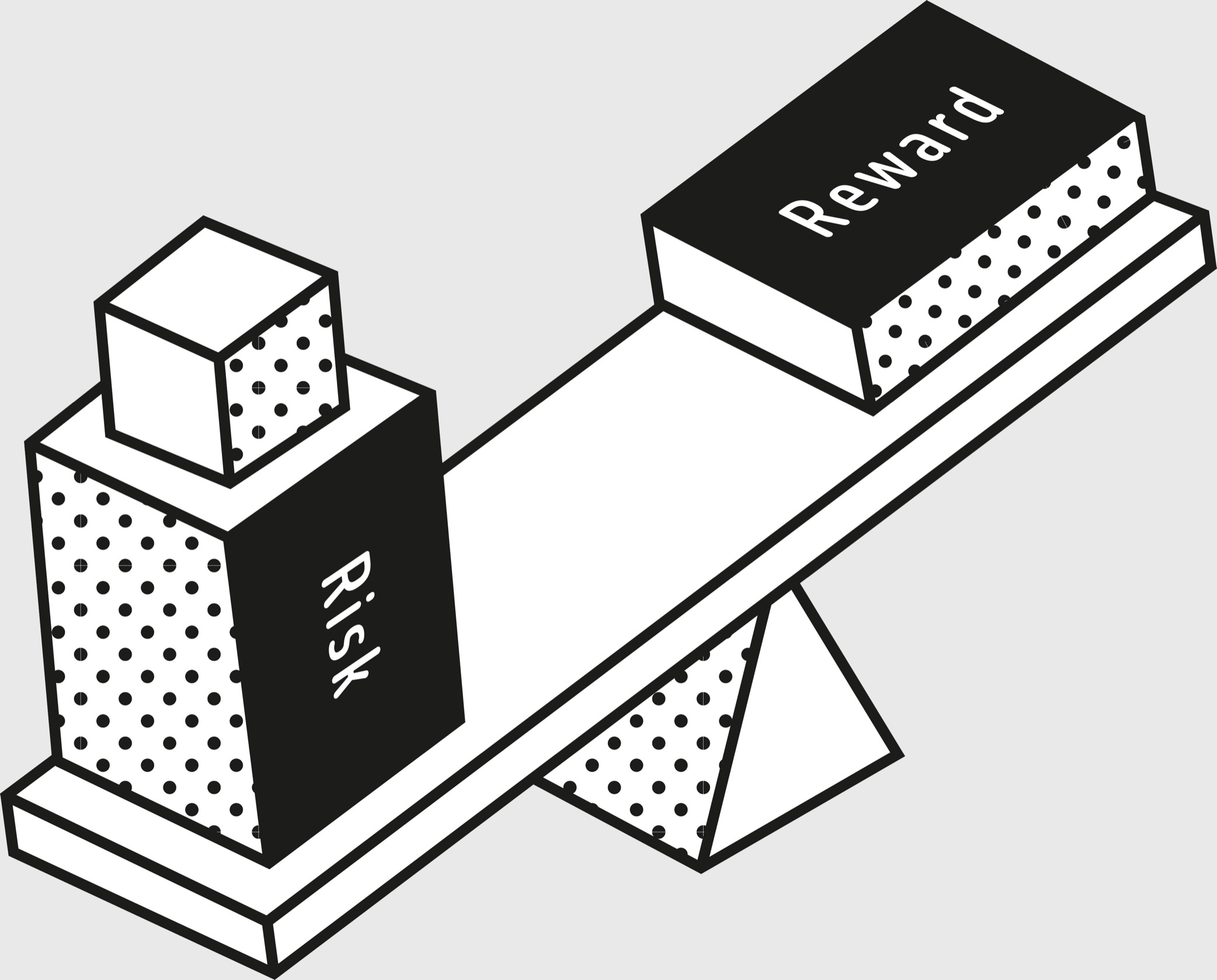
The cost of a benefit.
Economics teaches you that making a choice means giving up something.
—Russ Roberts
Everything is a trade-off. To allocate scarce resources and meet our needs, we must make trade-offs. Choosing one course of action means giving up numerous things. Going to a party with one friend means you can’t go to the movies with another on the same night.
A trade-off is any situation where making a choice means we must forgo something else, usually some kind of benefit or possible opportunity. Investors trade off risk and reward. Doctors balance a drug’s potential to help with the possible harm of its side effects. Parents choose between their kids’ momentary happiness and their long-term well-being. Customer service departments in fast-growing companies must make trade-offs between hiring new employees fast enough to keep up with the growing demand for support and taking the time to train everyone to handle support requests appropriately. Students face trade-offs between continuing their studies and getting a job. Whatever you spend your days doing, it involves trade-offs.
For example, buying unassembled furniture is usually much, much cheaper than buying premade. The company producing it can ship far more items in the same space and doesn’t need to pay for labor or machinery to put it together. Also, for the consumer, it can sometimes be taken apart for transportation when moving house, again resulting in cost savings. The trade-off is that you need to spend time building it yourself and deal with associated risks, like striking your thumb with a hammer or spending an hour figuring out where to put that last screw.
Someone with lots of free time but scarce funds may prefer unassembled furniture because it’s the best way of allocating their resources; someone with more money but less time may opt for premade because it’s the best use of what is available to them.
We also make trade-offs based on alternatives and opportunity cost. Someone who moves to the suburbs to save money increases their commute time. If the alternative use of the time spent commuting would be to earn significantly more money, it could be a very expensive move indeed.
The opportunity cost of time can change with your income, commitments, and priorities. A choice that once suited you may become less attractive. Compare the benefits of each option with what it requires you to give up, including costs that do not have an obvious monetary value.
When to use it
Personal finance: Deciding between spending now or investing for the future.
Career planning: Choosing a job that offers high pay versus one that offers better work-life balance.
Business strategy: Allocating a limited budget between marketing and product development.
Healthcare: Weighing the benefits of a medication against its potential side effects.
FROM THEORY TO EVERYDAY LIFE
In practice
Unassembled vs. premade furniture
Buying unassembled furniture is cheaper but costs time and effort to assemble, while premade furniture saves time but costs more money. The choice depends on whether you have more free time or more disposable income.
Moving to the suburbs
Moving to the suburbs often lowers living costs but increases commute time. If the extra commute time could be used to earn a high income, the trade-off might not be worth it.
A MOMENT TO REFLECT
Put it to work.
What trade-offs are you making today that you haven't consciously considered?
How does the opportunity cost of your time influence your major decisions?
Think of a recent choice you made. What did you give up, and was it worth it?
References
- Economics teaches you that making a choice means giving up something — Russ Roberts
CONTINUE THE CONVERSATION
Source texts
- The Great Mental Models Volume 4 Economics and Art