Stealth Advertising (Native Advertising)
Stealth advertising (native advertising) is a highly effective form of marketing that disguises paid promotions as genuine news or editorial content, exploiting readers' trust and leading them to mistake ads for unbiased reporting.
THE IDEA
The Problem: Stealth Advertising Works
Stealth advertising has proven effective—chillingly so. By 2018, it was estimated to be a $32.9 billion business, eclipsing all other forms of online advertising and growing astronomically.5 That’s because stealth advertising works. When undergraduates at Purdue University were shown a news article and an eye-catching infographic on climate change on the website of the Atlantic, 78 percent said the infographic was more reliable than the article. Students failed to notice—or if they did, it didn’t register—the tiny “sponsor content” label lurking in the upper left-hand corner. Next to it was a miniature icon for none other than Shell.6 A fossil fuel company casting itself as the source of objective information on climate change? Smell anything wrong here?
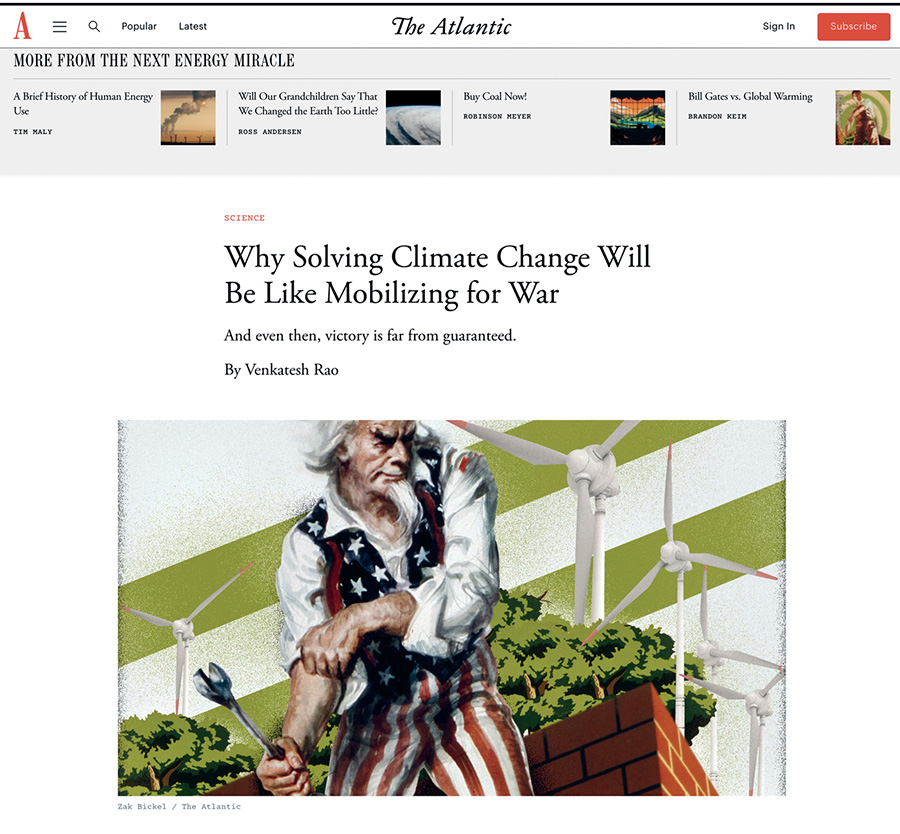
Figure 9.4 Graphic accompanying news article from The Atlantic (https://www.theatlantic.com/science/archive/2015/10/why-only-a-technocratic-revolution-can-win-the-climate-change-war/410377/)
It’s not only college students who get hoodwinked by the shifty practices of native advertising. We all do. A study by the marketing company Contently showed people native ads that appeared on the websites of six different publishers. The results were, well, let’s just say, concerning. Eighty percent of respondents mistook a native ad in the Wall Street Journal for a news article. The percentage was only slightly lower for an ad disguised as news from the New York Times. The study’s author, an advertising insider with reasons to cast the whole smarmy business as perfectly legit, had to admit the obvious: “There’s little doubt that consumers are confused by native ads.”7
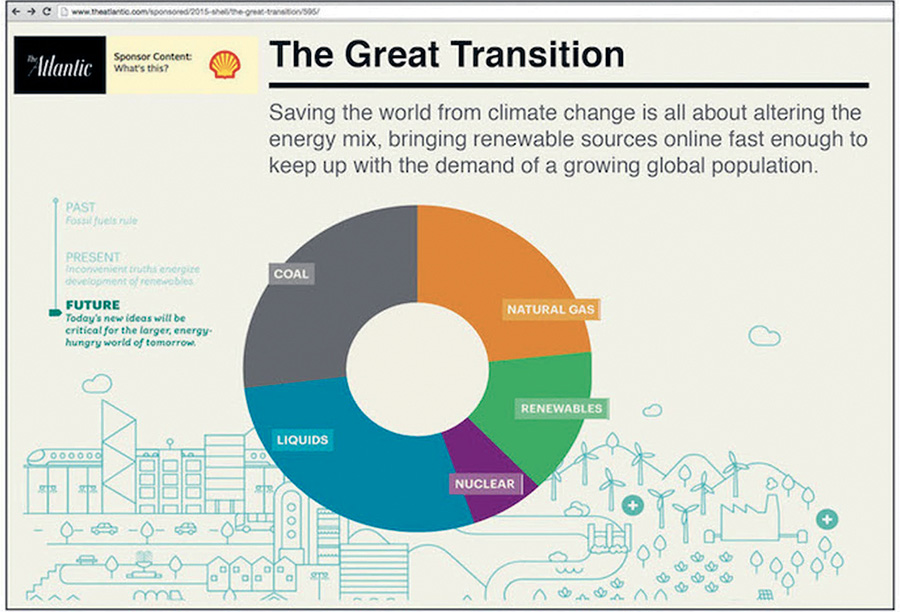
Figure 9.5 Infographic from oil company Shell appearing in The Atlantic (www.theatlantic.com/sponsored/2015-shell/the-great-transition/595/; see also Forte, “Civic Online Reading in First-Year Composition”)
And confused we are. Researchers at Boston University and the University of Georgia surveyed people across age levels and backgrounds after they had read a 515-word article, “America’s Smartphone Obsession Extends to Online Banking.” The piece came with a label saying that it was created for Bank of America. But this disclosure was overshadowed by the masthead of the New York Times and the article’s headline. Only one in ten respondents were able to identify the article as an ad.8 A blizzard of other studies confirm this troubling pattern.9
When to use it
When evaluating news articles for potential bias, check for subtle 'sponsored' or 'advertising' labels.
In marketing classes, use these studies to illustrate the power of stealth advertising and its impact on consumer trust.
As a media literacy educator, create exercises where students must distinguish ads from articles.
When analyzing public perception of climate change or other issues, consider how stealth ads by interested parties may skew understanding.
FROM THEORY TO EVERYDAY LIFE
In practice
Purdue University Study with Shell Infographic
Undergraduates viewed a news article and a climate change infographic on The Atlantic's website. 78% considered the infographic more reliable than the article, failing to notice the 'sponsor content' label and Shell icon.
Contently Study with Major Publishers
Native ads from six publishers were shown to participants. 80% mistook a Wall Street Journal native ad for a genuine article, with similar results for the New York Times.
Boston University and University of Georgia Study with Bank of America Ad
After reading an article labeled as created for Bank of America on the New York Times site, only one in ten respondents identified it as an advertisement.
A MOMENT TO REFLECT
Put it to work.
How can you train yourself to spot native advertisements when reading news online?
Why do you think even careful readers often mistake sponsored content for real journalism?
What ethical responsibilities do publishers have when displaying native ads that mimic editorial content?
CONTINUE THE CONVERSATION
Source texts
- Verified How to Think Straight, Get Duped Less, and Make Better Decisions about What to Believe Online (Mike Caulfield, Sam Wineburg)