Scholarly Vibe Heuristic
A Google Scholar results page can provide a quick starting point for checking a claim. Look for relevant scholarly work and established institutions, then inspect what those sources actually say.
THE IDEA
The Vibe of Google Scholar’s Results Page
The source uses a Google Scholar search about the Porvenir Massacre to show how a results page can supply leads for checking a historical claim.
The results point to accounts of the Porvenir Massacre in historical scholarship and institutional records. In the early morning of January 28, 1918, a band of Texas Rangers, accompanied by the US Army cavalry and Anglo cattle ranchers, marched fifteen men, the youngest being sixteen years old, to a bluff overlooking the banks of the Rio Grande and shot them in cold blood. The first reference is to the official website of the Texas Rangers, which describes this loathsome act without pulling punches. The second is to the Oxford University Press, which publishes the American Historical Review, the official journal of the American Historical Association, the largest organization of historians in the world. The link goes to a review of University of Texas historian Monica Muñoz Martinez’s book The Injustice Never Leaves You: Anti-Mexican Violence in Texas, published by Harvard University Press. (Books published by university presses also go through peer review.) The next to last link brings up a New York Times column about the massacre by two more history professors, William Carrigan and Clive Webb. Long covered up, the Porvenir Massacre is now recognized by the Texas Historical Commission, which in 2019 placed a historical marker on the site of the bloodshed.
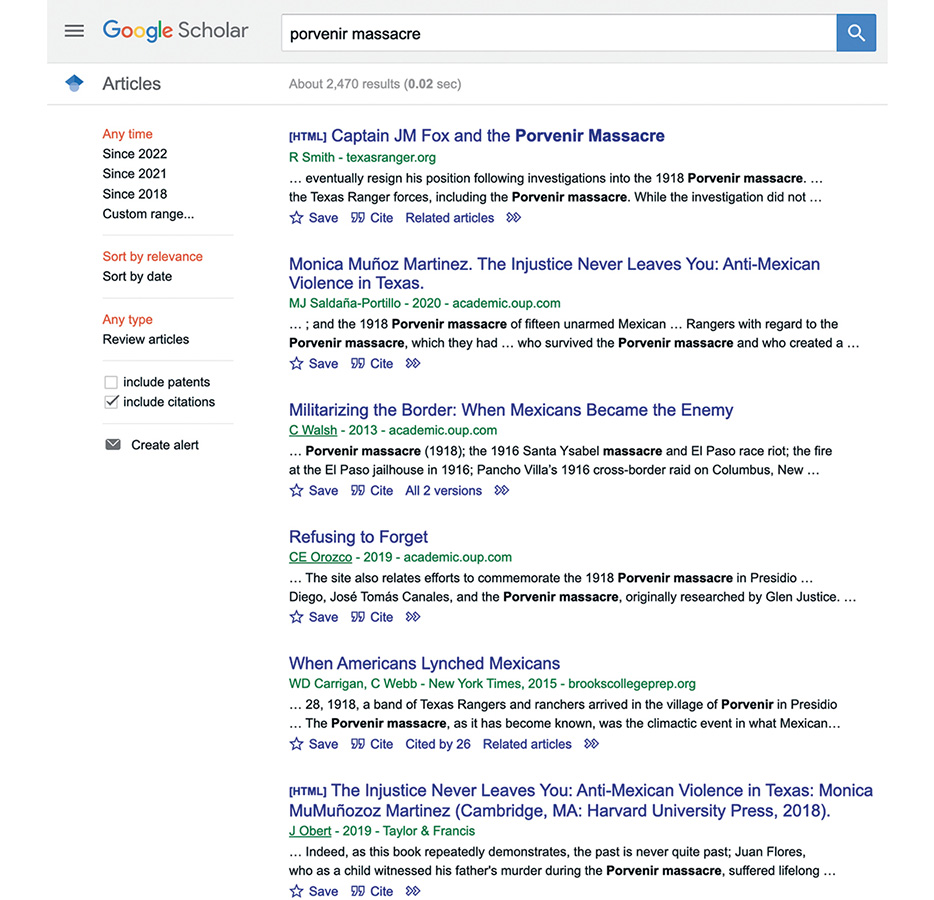
Figure 6.6 Google Scholar’s search results for the Porvenir Massacre. (Google and the Google logo are trademarks of Google LLC.)
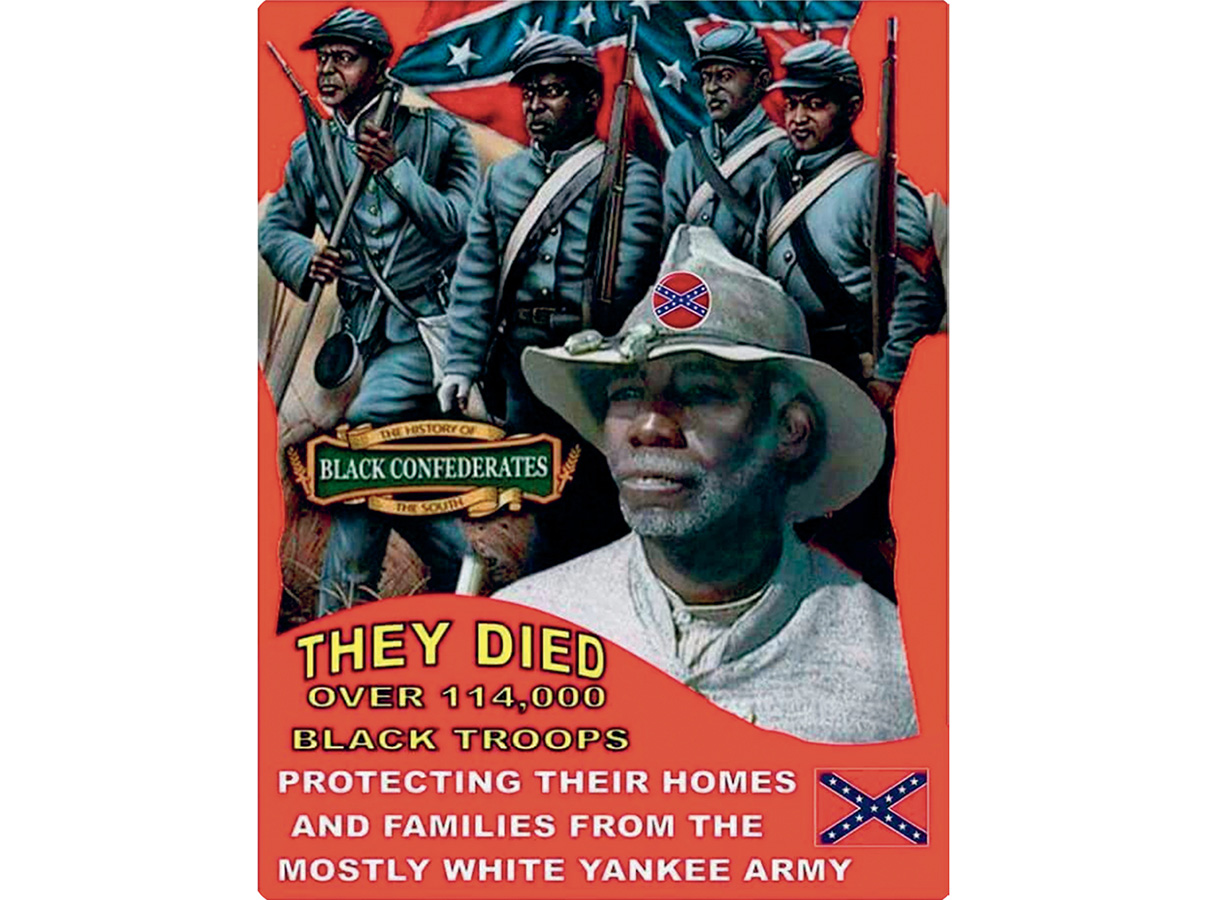
Figure 6.7 Meme claiming thousands of Black troops fought for the Confederacy (https://deadconfederates.com/2016/02/10/do-the-guinness-people-know-about-this/)
When to use it
When evaluating a controversial historical or political claim found on social media.
When deciding which sources to trust for an academic paper or research project.
When training students to quickly distinguish between credible and unreliable online information.
FROM THEORY TO EVERYDAY LIFE
In practice
Fact-Checking the Porvenir Massacre
The source describes a search about the Porvenir Massacre that finds an official Texas Rangers account, a review of a Harvard University Press book, and a New York Times column by historians. These are leads for checking the claim: their relevance, evidence, and agreement matter more than the page’s appearance alone.
A MOMENT TO REFLECT
Put it to work.
Think of a recent online claim you encountered. How would you use the 'vibe' of a Google Scholar results page to assess its credibility?
What other cues besides source type contribute to the overall 'vibe' of a results page? How might these cues be misleading?
How does the 'scholarly vibe' heuristic compare to other fact-checking frameworks like the CRAAP test or SIFT method?
CONTINUE THE CONVERSATION
Source texts
- Verified How to Think Straight, Get Duped Less, and Make Better Decisions about What to Believe Online (Mike Caulfield, Sam Wineburg)