Keywords: The Underlying Architecture of Search
Effective search relies on choosing specific, relevant keywords that match the terms likely to appear in target documents, enabling search engines like Google to return precise results.
THE IDEA
One of the main things Google uses to “see” is keywords. It works to find documents that have the specific terms you search for (or synonymous terms) in the document. Figure out the words, terms, and concepts likely to be in the document, and Google will give you what you want.
We all know what happens when you haven’t been specific about choosing keywords. You’re researching the Montgomery bus boycott that started in December 1955. You have a vague memory that before Rosa Parks’s arrest, there had been a young girl who also refused to give up her seat. But her case never achieved the iconic status that Rosa Parks’s did.
You search Google: “girl arrested in Montgomery Alabama.” Recent arrest records in Montgomery, Alabama. Sriracha, not milk.
You give it another try—it’s the Montgomery bus boycott you’re interested in? You type “Who got arrested in the Montgomery bus boycott?” Still too broad; your question lands you back at Rosa Parks.
You remember it was a teenager who got arrested. So you put the pieces together: “Who was the teenager who got arrested in the Montgomery bus boycott?” Google now zooms in on “teenager + arrested + Montgomery bus boycott,” as well as considering the connector “in” before the words “Montgomery bus boycott.” It then combs through the web looking for sources where the terms appear close together; it also compares your search sequence to that of other users and the kinds of answers that satisfied them. Aided by your specificity, you now get what you’re looking for: the name of Claudette Colvin, with links to sources like the Washington Post, the Smithsonian magazine, Stanford University’s King Institute, NPR, and the BBC.
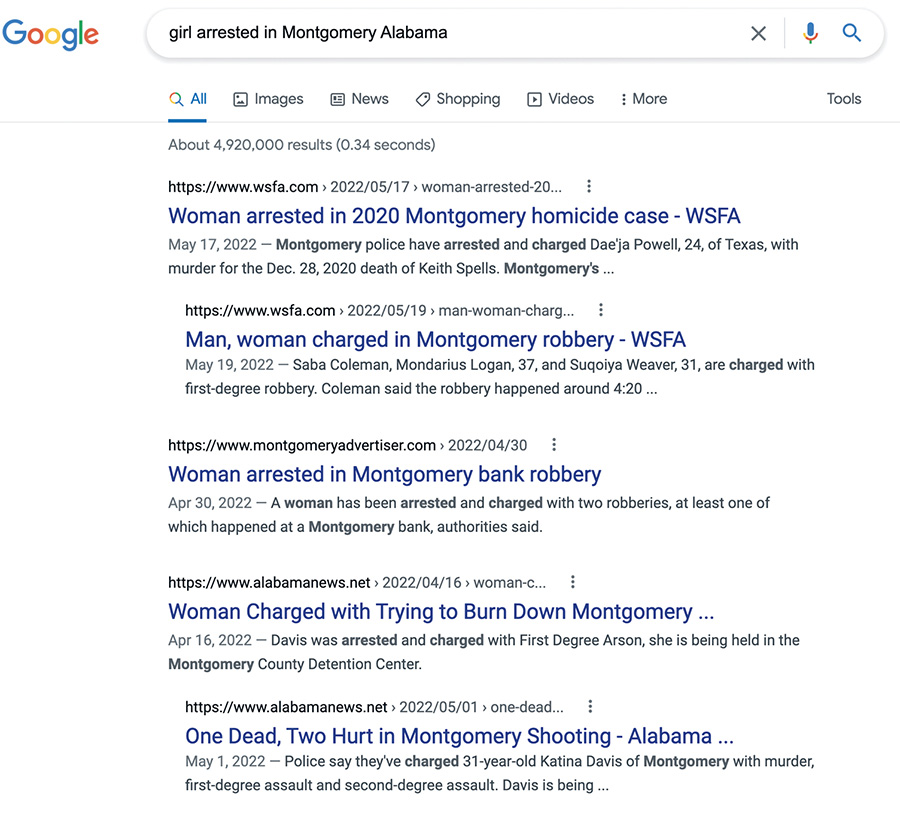 Figure 3.16 Unspecific keywords produce unspecific results.
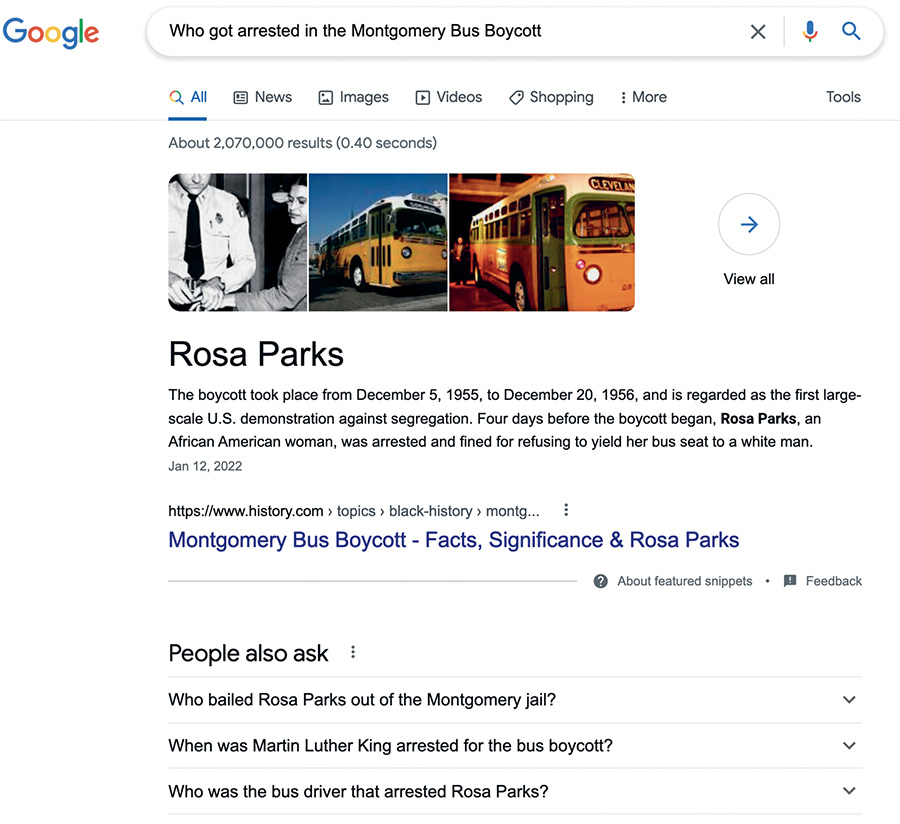 Figure 3.17 Keywords that are too broad.
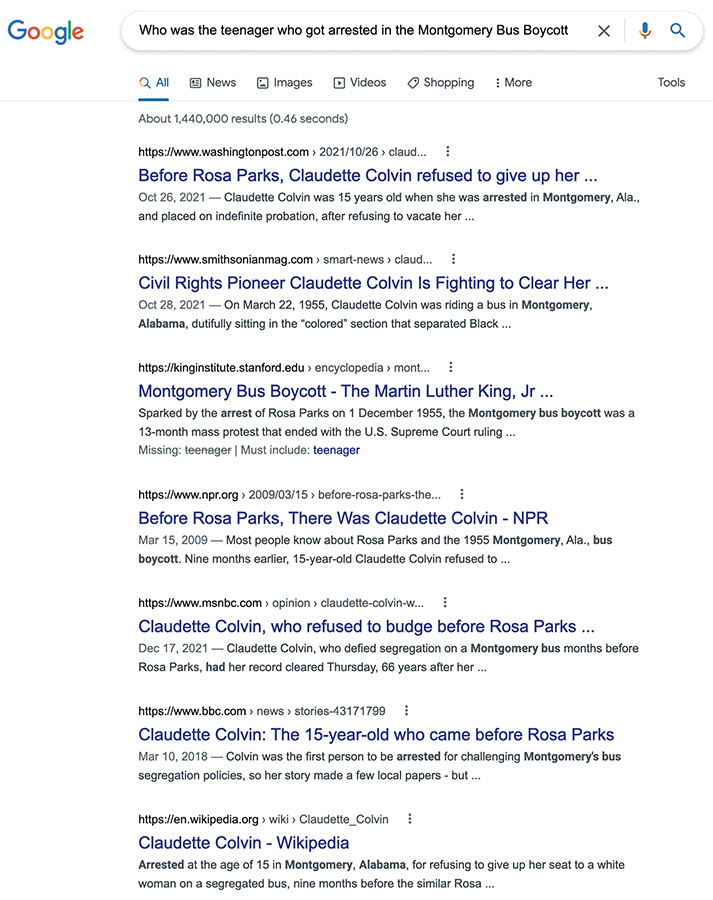 Figure 3.18 Search results for “Who was the teenager who got arrested in the Montgomery bus boycott.”
When to use it
Researching historical events where details are vague.
Finding specific academic papers or news articles on a narrow topic.
Verifying facts or quotes by searching for distinctive phrases.
Improving the efficiency of online shopping or product comparisons.
FROM THEORY TO EVERYDAY LIFE
In practice
Finding Claudette Colvin
In the book’s example, searching for 'girl arrested in Montgomery Alabama' produces irrelevant recent arrest records. Adding the teenager’s age category and the bus-boycott context leads to sources naming Claudette Colvin. Sriracha is the authors’ metaphor for an unwanted result.
Generic vs. Specific Search
In the book’s search sequence, 'Who got arrested in the Montgomery bus boycott?' leads back to Rosa Parks. Adding 'teenager' supplies the detail needed to identify the other person the searcher has in mind.
A MOMENT TO REFLECT
Put it to work.
Think of a recent search where you got poor results. How could you improve your keywords to be more specific?
How does understanding keyword choice change the way you approach researching a topic online?
What are the potential downsides of using very specific keywords? Could you miss relevant information?
CONTINUE THE CONVERSATION
Source texts
- Verified How to Think Straight, Get Duped Less, and Make Better Decisions about What to Believe Online (Mike Caulfield, Sam Wineburg)