Feedback Analysis
A technique to identify your strengths and areas for improvement by writing down expected outcomes of important decisions and comparing them with actual results after a year.
THE IDEA
THE FEEDBACK ANALYSIS
Peter F. Drucker recommended testing your beliefs about your strengths against the results of your decisions.
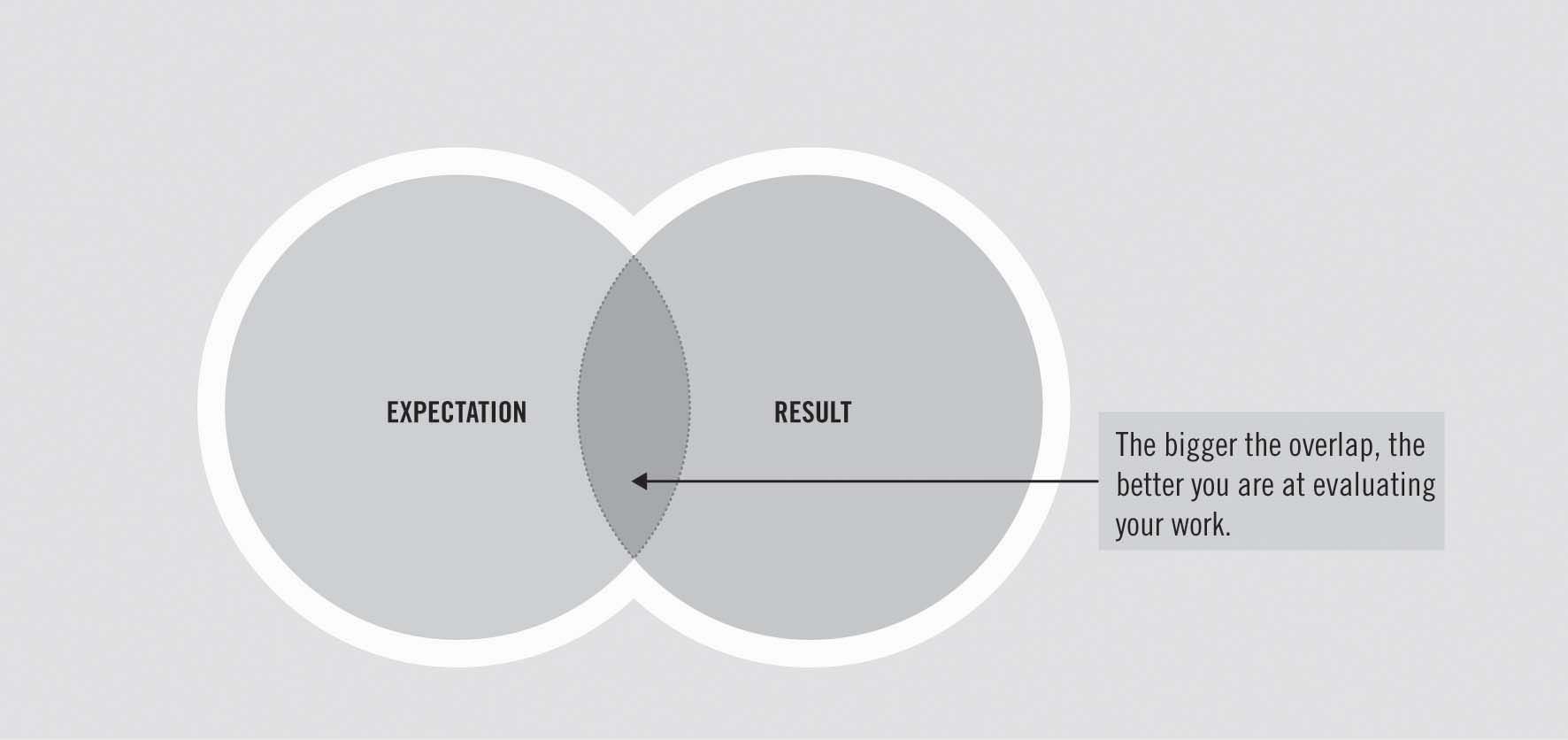
Whenever you have an important decision to make, write down what you expect to happen. After a year, compare your expectation with the actual outcome.
Drucker used these comparisons to identify where his judgment was effective and where he needed improvement. Repeated comparisons can reveal patterns that a single success or failure would not.
The source traces similar practices to Calvinist ministers and Jesuit priests in the mid-seventeenth century. It also suggests that feedback analysis contributed to their influence, but does not provide evidence to assess that causal claim.
Knowing what your strengths are is the most important thing an individual can know about himself or herself. Peter F. Drucker
When to use it
When evaluating career moves or major projects to understand your competencies.
In educational settings, students can use feedback analysis to improve their learning strategies.
Managers can apply it to assess their leadership decisions and team dynamics.
Personal development: reflect on relationship choices or health goals to learn from outcomes.
FROM THEORY TO EVERYDAY LIFE
In practice
Peter Drucker’s self-assessment
Drucker continually wrote down his expectations for important decisions and compared them with actual results after a year, allowing him to identify his strengths and areas for improvement.
Historical use by religious orders
The source reports that Calvinist ministers and Jesuit priests used a similar practice in the mid-seventeenth century. This historical comparison illustrates the method’s reported use, without establishing how much it contributed to their influence.
A MOMENT TO REFLECT
Put it to work.
Think of a recent important decision you made. What did you expect would happen, and what actually occurred? What does this tell you about your strengths?
How could you apply feedback analysis to a recurring decision in your work or personal life?
What patterns might emerge over several years of applying this technique that could guide your career or personal development?
References
- Feedback Analysis (from Managing Oneself) — Peter F. Drucker (1999)
CONTINUE THE CONVERSATION
Source texts
- The Decision Book Fifty Models for Strategic Thinking