Diabetes Control Illusion
The authors argue that promising complete control of blood glucose in type 1 diabetes can encourage self-blame when outcomes vary. Their concern is a cycle of frustration and disengagement, not a claim that self-management cannot influence outcomes.
THE IDEA
The diabetes control illusion is harmful
The authors describe a problem with messages that imply “do this and that will happen” in diabetes self-management. They argue that presenting the body as predictably controllable can leave people with T1D feeling personally responsible for every unexpected result.
Their proposed cycle is: try to meet a target, fall short, blame yourself, become overwhelmed, and disengage. They connect this experience with the Chaotic and Confused domains of Cynefin, where making sense of what is happening and deciding what to do can become difficult. This is their interpretation of the cycle, not proof that target-setting itself causes disengagement.
The distinction is between influencing an outcome and guaranteeing it. Acknowledging uncertainty can coexist with supporting self-management.
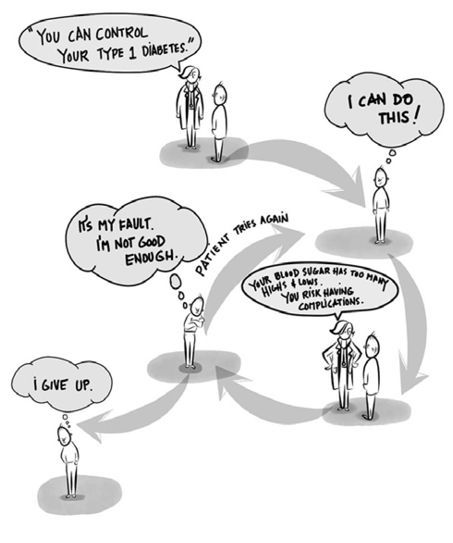
Figure 6. The authors suggest that a “control paradigm” may contribute to disengagement.
When to use it
Healthcare professionals working with chronic illness patients
Type 1 diabetes self-management education
Developing patient-centered diabetes care plans
Examining how expectations about complete predictability affect responses to variable outcomes.
FROM THEORY TO EVERYDAY LIFE
In practice
The Futility Cycle in T1D
A patient with type 1 diabetes follows a strict regimen of insulin dosing and carbohydrate counting, yet experiences unpredictable blood sugar swings. Blaming themselves for not achieving stable numbers, they become frustrated and eventually disengage from management altogether.
Healthcare Communication Failure
When a doctor repeatedly emphasizes that the patient can control their blood sugar through precise actions, the patient feels personal failure when outcomes are poor, leading to shame and avoidance of follow-up appointments.
A MOMENT TO REFLECT
Put it to work.
How can a message about personal control encourage useful action without making every unexpected outcome feel like a personal failure?
What would a conversation about uncertainty and patterns add to a conversation focused only on targets?
What would it look like to accept the inherent unpredictability of type 1 diabetes while still taking supportive actions?
CONTINUE THE CONVERSATION
Source texts
- Cynefin - Weaving Sense-Making into the Fabric of Our World ED02 (Dave Snowden Sonja Blignaut Zhen Goh)