A Con Is Born
Native advertising adopts the appearance of editorial content. Caulfield and Wineburg argue that this can mislead readers about who paid for a message and weaken the separation between journalism and advertising.
THE IDEA
A Con Is Born
Back in the heyday of print, publishers raked in piles of cash from ads. Then along came the internet, raining on the parade. Ad dollars decamped from traditional news outlets and took up residence at Google, Facebook, Twitter, YouTube, and Instagram. By 2012, Google alone was eating newspapers’ lunches: the search company’s $46 billion in ad earnings was more than double the ad revenue for all US newspapers—print and digital.10
Newspapers started dropping like flies. Ad dollars evaporated. Journalists joined the unemployment lines. At the time of this account, the news business employed less than half the number of people it did in 2010. To stanch the bloodletting, publishers adopted an idea laid out by David Ogilvy, head of one of the country’s leading ad agencies: “There is no need for advertisements to look like advertisements. If you make them look like editorial pages, you will attract about 50 percent more readers.”11 In other words, make advertisements undetectable. Just like that, a con was born.
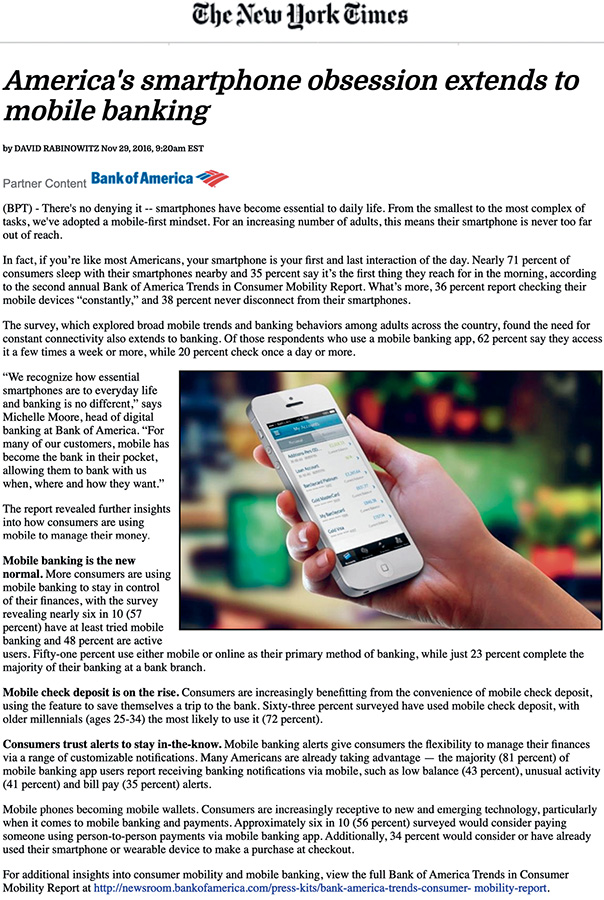
Figure 9.6 Prompt used in a 2019 research study, November 29, 2016 (Amazeen and Wojdynski, “Reducing Native Advertising Deception”)
At first, it was only the scrappy upstarts like BuzzFeed (masters of clickbaity stories like “Ten Important Life Lessons You Can Learn from Cats”) that pioneered this new form of deception. But as ad income plummeted at publications like the New York Times, the Wall Street Journal, and the BBC, they, too, decided that the devil was a legitimate business partner. The price, at first, didn’t seem too steep: sacrifice a little bit of integrity to stay afloat. But the slope downward was slippery. If the long-standing commitment of journalism was to protect journalistic standards by erecting a wall of separation between the news side and the business side, native advertising dissolved the mortar in that wall. The resulting seepage blurred the boundaries beyond recognition. Sure, journalists found ways to convince themselves they weren’t doing anything wrong. But, in their hearts, they knew something different. “When I explain what I do to friends outside the publishing industry,” wrote one publishing insider, “the first response is always ‘so you are basically tricking users into clicking on ads.’”12
When to use it
Evaluating the credibility of online news articles and distinguishing editorial content from paid promotions.
Analyzing the business models of media companies and the ethical implications of native advertising.
Recognizing deceptive marketing tactics in social media feeds, such as sponsored posts that mimic user-generated content.
Teaching media literacy to help people identify and critically evaluate native advertisements.
FROM THEORY TO EVERYDAY LIFE
In practice
BuzzFeed Clickbait
The authors describe BuzzFeed as an early adopter of native advertising. They mention its familiar clickbait style, but the quoted cat headline alone does not establish that a particular article was paid promotion.
Traditional Newspapers Adopt Native Ads
The authors describe established outlets, including the New York Times, Wall Street Journal, and BBC, adopting native advertising as advertising revenue declined. Their criticism concerns the resulting difficulty of distinguishing paid promotion from editorial work.
A MOMENT TO REFLECT
Put it to work.
Think of a time you clicked on a link that turned out to be an advertisement disguised as an article. How did it affect your trust in the publication?
How does native advertising exploit the truth default? What cues might help you detect it?
If you were a journalist, how would you balance the need for ad revenue with maintaining reader trust?
References
- Reducing Native Advertising Deception — Amazeen and Wojdynski (2019)
- Ogilvy on Advertising — David Ogilvy
CONTINUE THE CONVERSATION
Source texts
- Verified How to Think Straight, Get Duped Less, and Make Better Decisions about What to Believe Online (Mike Caulfield, Sam Wineburg)